DevOps tutorial - IT technology blog

ExternalDNS on Kubernetes: Automatically Sync DNS Records to Cloudflare and Route53

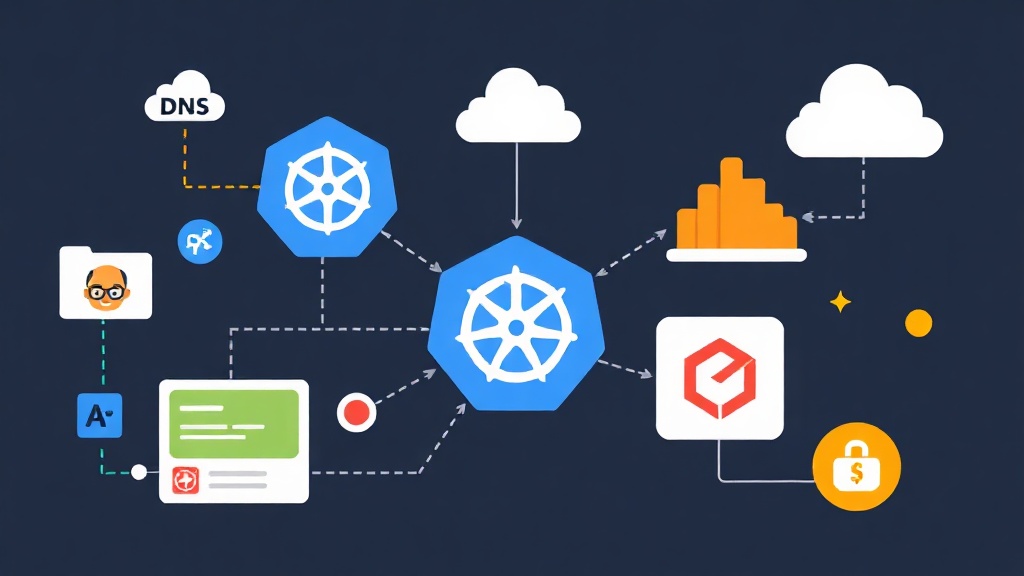
Manually updating DNS records every time you deploy a Kubernetes service does not scale. ExternalDNS watches your Ingress and LoadBalancer resources and automatically keeps Cloudflare or Route53 in sync — no human intervention needed. This guide walks through installation, configuration for both providers, and how to verify and monitor the setup in production.
DevOps tutorial - IT technology blog

Managing Kubernetes Cluster Lifecycle Across Environments with Cluster API (CAPI)

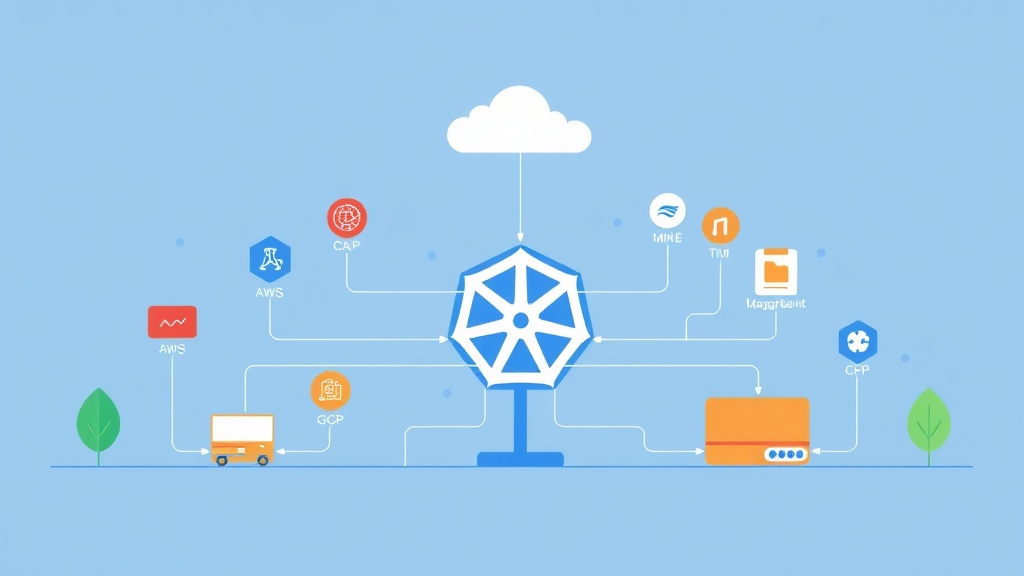
Cluster API (CAPI) lets you manage the full lifecycle of Kubernetes clusters — creation, upgrades, and deletion — using declarative YAML and GitOps workflows across AWS, GCP, and bare-metal. This guide walks a junior DevOps engineer through setting up a management cluster, provisioning workload clusters, and performing rolling version upgrades without manual SSH or cloud console access.
DevOps tutorial - IT technology blog

Self-Hosted GitHub Actions Runner on Kubernetes with Actions Runner Controller

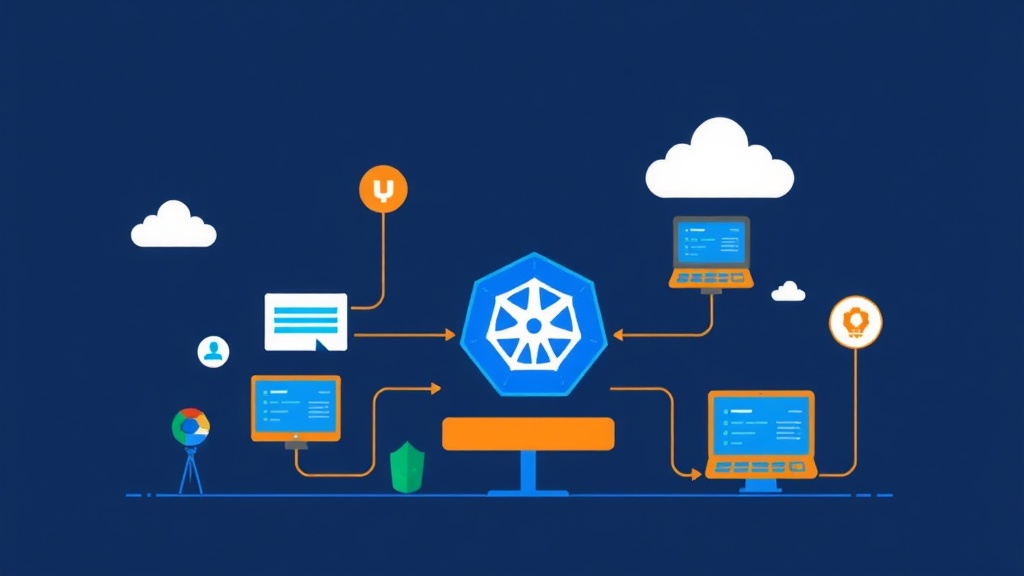
Migrating GitHub Actions to self-hosted runners on Kubernetes using Actions Runner Controller (ARC) can cut CI/CD costs by 80% and eliminate queue delays. This guide walks through real production setup: Helm install, autoscaling config, Docker build strategies, and persistent caching — from someone who did it after a 2 AM build queue crisis.