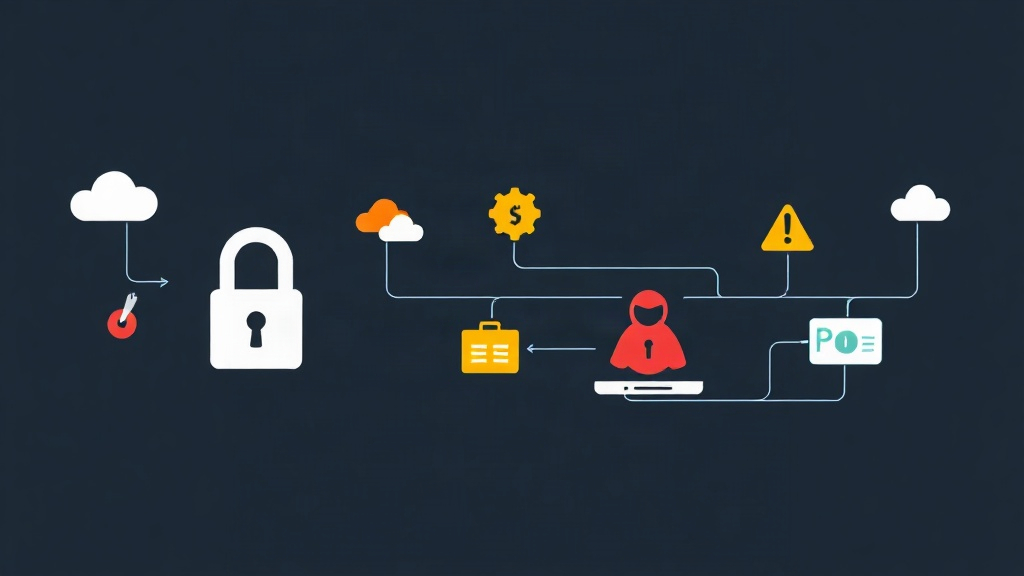
Is your server secretly attacking your internal network? Learn how to prevent SSRF vulnerabilities using Python IP validation, AWS IMDSv2, and network-level egress filtering.
Ditch the risk of long-lived AWS and GCP access keys. This guide shows you how to implement OIDC in GitHub Actions to secure your CI/CD with short-lived, self-destructing tokens.
Is your DynamoDB schema actually a SQL database in disguise? Learn how to use single-table design to consolidate data, reduce network latency, and optimize your serverless application for scale.
Stop paying for AWS testing environments. Learn how to use LocalStack and Docker to simulate S3, Lambda, and DynamoDB locally for a faster, cost-free DevOps workflow.
Stop waiting minutes for nodes to join your cluster. Discover how Karpenter provides faster, more efficient autoscaling for Kubernetes on AWS than the traditional Cluster Autoscaler.
Stop managing Kubernetes secrets manually. This guide shows you how to use External Secrets Operator to automatically sync sensitive data from AWS Secrets Manager and HashiCorp Vault directly into your cluster for a secure GitOps workflow.
Cloud misconfigurations are the leading cause of data breaches in AWS and Azure. This guide covers a professional workflow for using Prowler to automate security audits and close critical infrastructure gaps.
Pulumi lets you define cloud infrastructure using TypeScript instead of YAML or HCL — giving you loops, types, unit tests, and reusable components. This guide walks through installing Pulumi, writing your first AWS resources in TypeScript, managing multiple environment stacks, and verifying deployments with previews and stack outputs.