Don't let your Bash scripts leave a mess. Master Linux signals and the trap command to automate resource cleanup, handle Ctrl+C gracefully, and manage background processes in production.
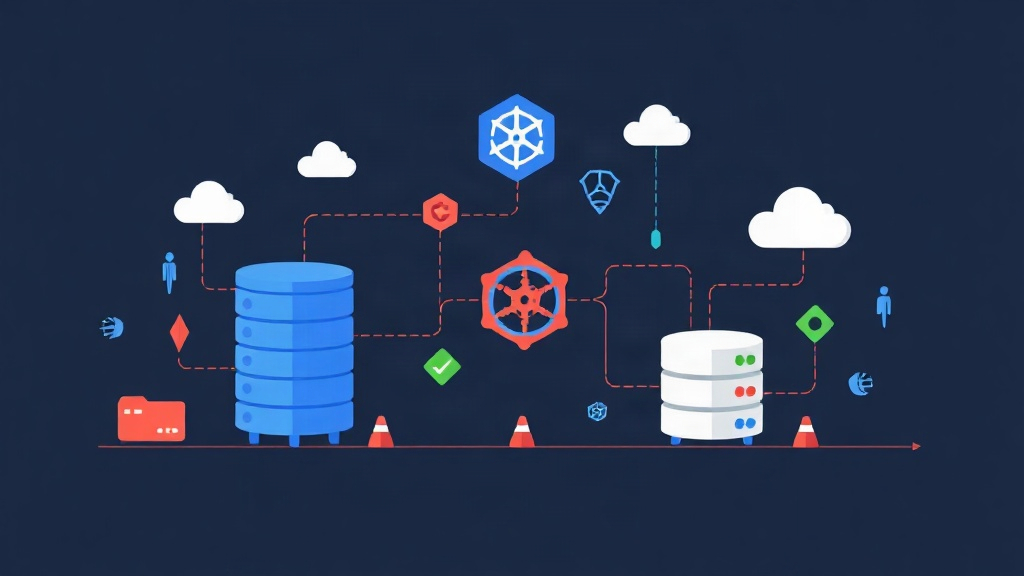
etcd stores every Kubernetes Secret and cluster state — by default, without encryption. This guide covers enabling encryption at rest, verifying mTLS between control plane components, and scanning for credential leaks to lock down the most critical layer of your cluster.
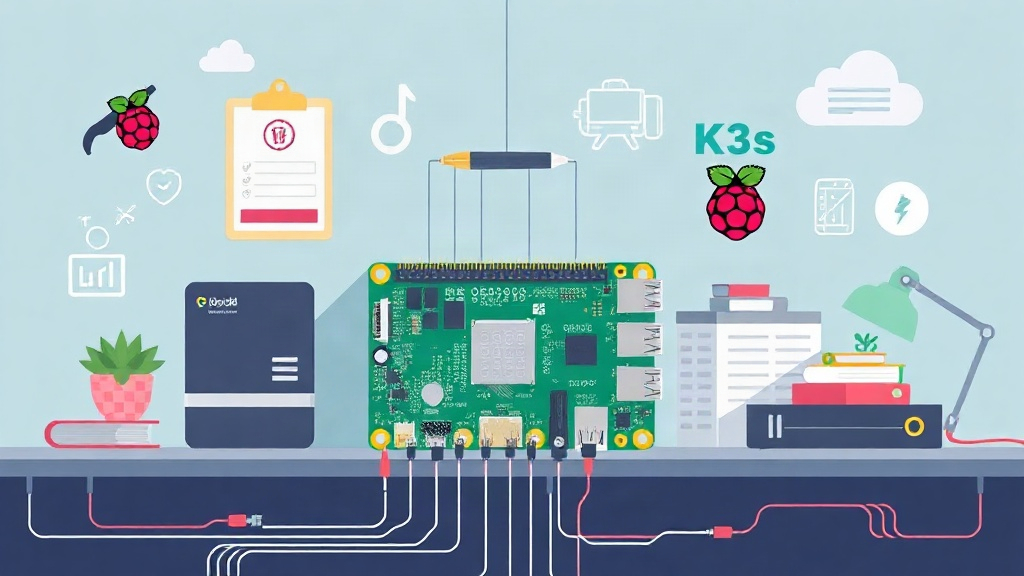
Build a fully functional 4-node Raspberry Pi cluster using K3s and shared storage for under $150. Learn hardware selection, OS tuning, and NFS provisioning for persistent data.
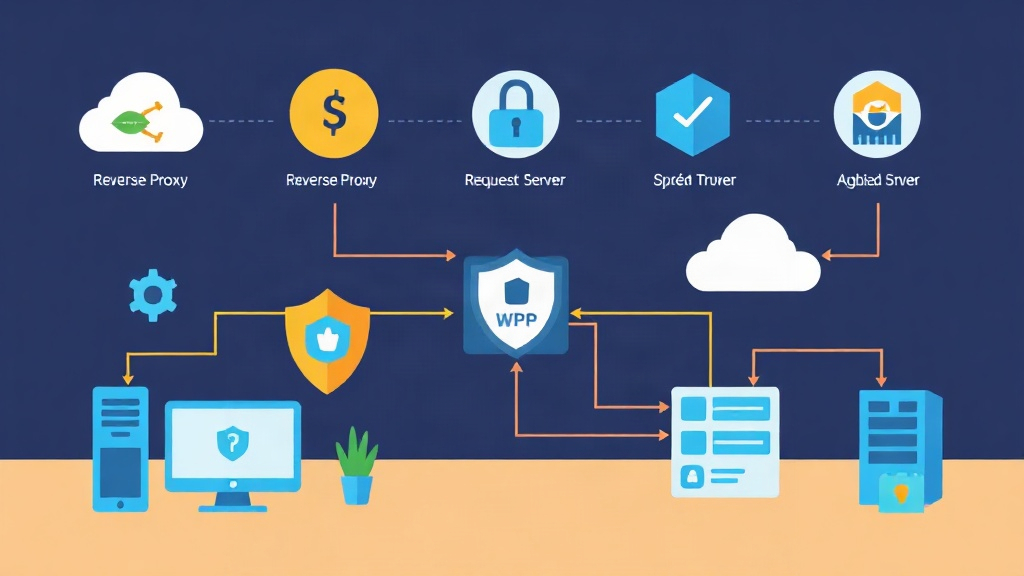
Discover how HTTP Request Smuggling exploits discrepancies between proxies and backends. Learn to identify CL.TE and TE.CL vulnerabilities and how to secure your stack using HTTP/2 and hardened proxy configurations.
Escape 'YAML Hell' by building your own Domain-Specific Language (DSL). This guide shows you how to use Python and Lark to create readable, safe, and automated IT workflows.
Move away from fragile SQL scripts. Learn how to use SchemaHero to manage your database structure declaratively on Kubernetes, ensuring your schema always matches your Git repository.
Stop wasting time switching between your terminal and browser. Learn how to install and use the Gemini CLI to debug logs, refactor scripts, and automate git commits.
Stop guessing and start measuring. Learn how to use pgbench to establish performance baselines, write custom SQL stress tests, and validate PostgreSQL tuning results.
Is your Kubernetes budget exploding? Learn how to implement secure multi-tenancy with Capsule to isolate teams, enforce resource limits, and reduce cloud costs by 40%.