クイックスタート:5分で理解するポート&アダプターへのリファクタリング
プロトタイピングの段階では、http.HandlerFunc のコールバック内に直接SQLクエリを書き込むショートカットがよく使われます。初期段階ではこれで問題なく動作します。しかし、実際のPostgreSQLインスタンスを起動せずに価格計算ロジックや登録フローの検証を行おうとした瞬間、テストの実行速度は著しく低下してしまいます。
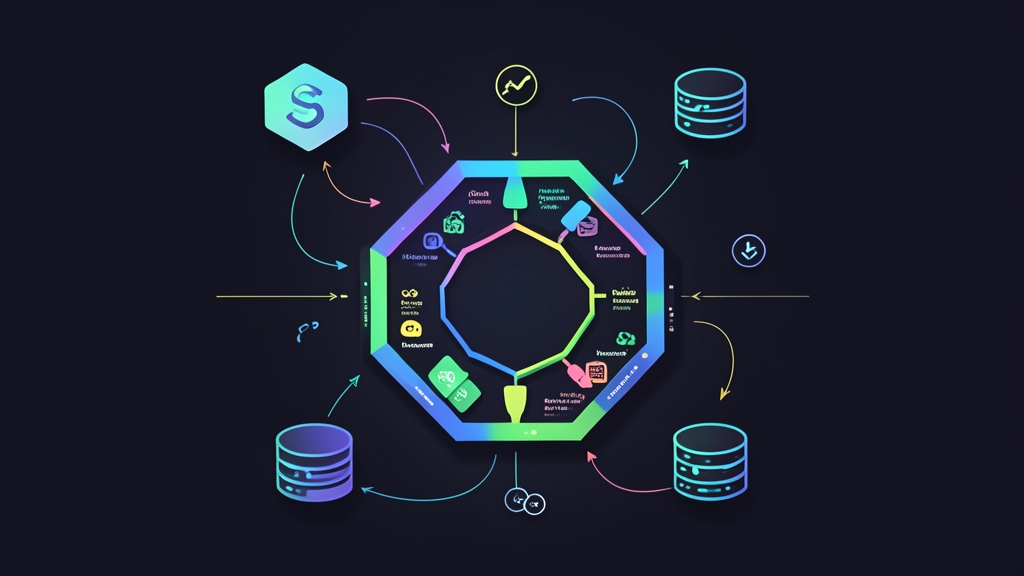
Alistair Cockburn氏は、このような結合を排除するためにヘキサゴナルアーキテクチャ(別名:ポート&アダプター)を提唱しました。その基本原則はシンプルです。「コアとなるビジネスロジックは、配信メカニズムやストレージエンジンに決して依存してはならない」ということです。これはクリーンアーキテクチャの思想とも深く共通しています。HTTPルーター、gRPCトランスポート、リレーショナルデータベースなどは単なる外部の詳細にすぎません。ドメインは常に純粋に保たれるべきです。
このアーキテクチャは以下の3つの主要コンポーネントで構成されます:
- コア・ドメイン(Core Domain):純粋なビジネスエンティティとドメインサービス。
- ポート(Ports):アプリケーションのインバウンドなユースケースと、アウトバウンドなインフラ要件を定義するGoのインターフェース。
- アダプター(Adapters):Chi/Ginのルートハンドラー、PostgreSQLリポジトリ、Kafkaプロデューサーなどの具体的な実装。
package main

import (
	"context"
	"errors"
	"fmt"
)

// ドメインモデル:サードパーティへの依存関係なし
type User struct {
	ID    string
	Email string
}

// 駆動されるポート(Driven Port):永続化のための外向きインターフェース
type UserRepository interface {
	Save(ctx context.Context, user User) error
	FindByID(ctx context.Context, id string) (*User, error)
}

// コアドメインサービス:純粋なビジネスロジック
type UserService struct {
	repo UserRepository
}

func NewUserService(repo UserRepository) *UserService {
	return &UserService{repo: repo}
}

func (s *UserService) Register(ctx context.Context, id, email string) error {
	if email == "" {
		return errors.New("メールアドレスは必須です")
	}
	if err := s.repo.Save(ctx, User{ID: id, Email: email}); err != nil {
		return fmt.Errorf("ユーザー %s の保存中にエラーが発生しました: %w", id, err)
	}
	return nil
}
UserService は net/http も database/sql もインポートしていません。ネイティブなGoの構造体とコンシューマー所有のインターフェースのみを介してやり取りを行います。
ディープダイブ:ドメイン、ストレージ、トランスポートの分離
Goにおける循環参照(circular dependency)を防ぐため、技術レイヤーごとではなく機能的な責務ごとにリポジトリを構成します。
プロジェクト構成
cmd/
  api/
    main.go
internal/
  core/
    domain/
      order.go
    ports/
      ports.go
    services/
      order_service.go
  adapters/
    handlers/
      http_order.go
    storage/
      postgres_order.go
1. ドメインエンティティとポートの定義
ドメインモデルは internal/core/domain/order.go に分離します。これらの構造体は、データベースのアノテーションを持たずに状態とセンチネルエラーを保持します:
package domain

import "errors"

var ErrOrderNotFound = errors.New("注文が見つかりません")

type Order struct {
	ID     string
	Amount float64
	Status string
}
インターフェースの規約は internal/core/ports/ports.go で定義します。これにより、インカミングコマンドとアウトバウンドデータアクセスの境界が確立されます:
package ports

import (
	"context"
	"myapp/internal/core/domain"
)

// 駆動されるポート(Driven Port):データベースアダプターによって実装されるストレージの抽象化
type OrderRepository interface {
	GetByID(ctx context.Context, id string) (*domain.Order, error)
	Create(ctx context.Context, order domain.Order) error
}

// 駆動するポート(Driving Port):トランスポートアダプター(HTTP、gRPC、CLI)に公開されるアプリケーションAPI
type OrderService interface {
	PlaceOrder(ctx context.Context, id string, amount float64) error
	FetchOrder(ctx context.Context, id string) (*domain.Order, error)
}
2. ドメインサービスの実装
ビジネスバリデーションは internal/core/services/order_service.go 内で実行されます。サービスはリポジトリポートに対してドメインロジックを調整します:
package services

import (
	"context"
	"errors"
	"fmt"
	"myapp/internal/core/domain"
	"myapp/internal/core/ports"
)

type orderService struct {
	repo ports.OrderRepository
}

func NewOrderService(repo ports.OrderRepository) ports.OrderService {
	return &orderService{repo: repo}
}

func (s *orderService) PlaceOrder(ctx context.Context, id string, amount float64) error {
	if amount <= 0 {
		return errors.New("注文金額は0より大きい必要があります")
	}

	order := domain.Order{
		ID:     id,
		Amount: amount,
		Status: "PENDING",
	}

	if err := s.repo.Create(ctx, order); err != nil {
		return fmt.Errorf("注文 %s の登録に失敗しました: %w", id, err)
	}
	return nil
}

func (s *orderService) FetchOrder(ctx context.Context, id string) (*domain.Order, error) {
	order, err := s.repo.GetByID(ctx, id)
	if err != nil {
		return nil, fmt.Errorf("注文 %s の取得に失敗しました: %w", id, err)
	}
	return order, nil
}
3. 駆動するHTTPアダプターの構築
受け取ったHTTPリクエストは internal/adapters/handlers/http_order.go で処理されます。ハンドラーはペイロードをアンマーシャリングし、駆動ポートを呼び出し、ドメインの実行結果をHTTPステータスコードにマッピングします:
package handlers

import (
	"encoding/json"
	"net/http"
	"myapp/internal/core/ports"
)

type HTTPOrderHandler struct {
	service ports.OrderService
}

func NewHTTPOrderHandler(service ports.OrderService) *HTTPOrderHandler {
	return &HTTPOrderHandler{service: service}
}

type CreateOrderRequest struct {
	ID     string  `json:"id"`
	Amount float64 `json:"amount"`
}

func (h *HTTPOrderHandler) Create(w http.ResponseWriter, r *http.Request) {
	var req CreateOrderRequest
	if err := json.NewDecoder(r.Body).Decode(&req); err != nil {
		http.Error(w, `{"error":"無効なJSONペイロードです"}`, http.StatusBadRequest)
		return
	}

	if err := h.service.PlaceOrder(r.Context(), req.ID, req.Amount); err != nil {
		http.Error(w, err.Error(), http.StatusUnprocessableEntity)
		return
	}

	w.WriteHeader(http.StatusCreated)
}
4. 駆動されるデータベースアダプターの構築
ストレージ操作は internal/adapters/storage/postgres_order.go に配置します。このアダプターはクエリを実行し、SQLドライバのエラーをドメインエラーに変換します:
package storage

import (
	"context"
	"database/sql"
	"errors"
	"fmt"
	"myapp/internal/core/domain"
	"myapp/internal/core/ports"
)

var _ ports.OrderRepository = (*PostgresOrderRepo)(nil)

type PostgresOrderRepo struct {
	db *sql.DB
}

func NewPostgresOrderRepo(db *sql.DB) *PostgresOrderRepo {
	return &PostgresOrderRepo{db: db}
}

func (r *PostgresOrderRepo) Create(ctx context.Context, order domain.Order) error {
	query := `INSERT INTO orders (id, amount, status) VALUES ($1, $2, $3)`
	_, err := r.db.ExecContext(ctx, query, order.ID, order.Amount, order.Status)
	if err != nil {
		return fmt.Errorf("注文のINSERT実行中にエラーが発生しました: %w", err)
	}
	return nil
}

func (r *PostgresOrderRepo) GetByID(ctx context.Context, id string) (*domain.Order, error) {
	query := `SELECT id, amount, status FROM orders WHERE id = $1`
	row := r.db.QueryRowContext(ctx, query, id)

	var o domain.Order
	if err := row.Scan(&o.ID, &o.Amount, &o.Status); err != nil {
		if errors.Is(err, sql.ErrNoRows) {
			return nil, domain.ErrOrderNotFound
		}
		return nil, fmt.Errorf("注文レコードのスキャン中にエラーが発生しました: %w", err)
	}
	return &o, nil
}
テスト:インメモリモックを用いたマイクロ秒レベルのフィードバックループ
Testcontainersに依存した統合テストスイートでは、PostgreSQLを起動してスキーママイグレーションを適用するだけで25〜45秒かかることがよくあります。一方、インメモリのポートモックに対して作成されたテストであれば、500件のテストスイートでも15ミリ秒未満で完了します。
package services_test

import (
	"context"
	"sync"
	"testing"
	"myapp/internal/core/domain"
	"myapp/internal/core/services"
)

type mockOrderRepo struct {
	mu     sync.RWMutex
	orders map[string]domain.Order
}

func newMockOrderRepo() *mockOrderRepo {
	return &mockOrderRepo{orders: make(map[string]domain.Order)}
}

func (m *mockOrderRepo) Create(ctx context.Context, order domain.Order) error {
	m.mu.Lock()
	defer m.mu.Unlock()
	m.orders[order.ID] = order
	return nil
}

func (m *mockOrderRepo) GetByID(ctx context.Context, id string) (*domain.Order, error) {
	m.mu.RLock()
	defer m.mu.RUnlock()
	o, exists := m.orders[id]
	if !exists {
		return nil, domain.ErrOrderNotFound
	}
	return &o, nil
}

func TestPlaceOrder_ValidAmount(t *testing.T) {
	repo := newMockOrderRepo()
	svc := services.NewOrderService(repo)

	err := svc.PlaceOrder(context.Background(), "ord-101", 49.99)
	if err != nil {
		t.Fatalf("予期しないエラーです: %v", err)
	}

	stored, err := repo.GetByID(context.Background(), "ord-101")
	if err != nil {
		t.Fatalf("リポジトリ内に注文が見つかりません: %v", err)
	}
	if stored.Status != "PENDING" {
		t.Errorf("ステータスは PENDING を期待しましたが、実際は %q でした", stored.Status)
	}
	if stored.Amount != 49.99 {
		t.Errorf("金額は 49.99 を期待しましたが、実際は %.2f でした", stored.Amount)
	}
}

func TestPlaceOrder_InvalidAmount(t *testing.T) {
	repo := newMockOrderRepo()
	svc := services.NewOrderService(repo)

	err := svc.PlaceOrder(context.Background(), "ord-102", -5.00)
	if err == nil {
		t.Fatal("負の金額に対してバリデーションエラーを期待しましたが、nilが返されました")
	}
}
コードの編集中に go test -race ./internal/core/... を繰り返し実行してみてください。Dockerソケットのリークやスキーマ破棄に伴う遅延、テスト間での状態汚染などを完全に回避できます。
本番運用のガイドライン
- インターフェースはコンシューマー起点で設計する:Goでは、パッケージはインターフェースを受け取り構造体を返すのが基本です(Accept interfaces, return structs)。ドメインインターフェースは、サービスが実際に呼び出すメソッドだけに絞り込みましょう。20個もメソッドが並ぶ肥大化したリポジトリインターフェースは避けるべきです。
- ドメインモデルへのタグ混入を防ぐ:
internal/core/domainの構造体にgorm:"column:..."やbson:"..."といったタグを埋め込まないでください。ドメインの定義は、外部のORMやドライバから完全に独立していなければなりません。 - main.goで明示的に依存関係を配線する:リフレクションを多用する重厚なDIコンテナは避けましょう。
cmd/api/main.go内で10行程度の明示的なコンストラクタ配線を行うか、必要に応じてGoogle Wireによるコンパイル時依存性注入を活用するだけで、標準のリンターで検証可能な、コンパイル時に確定する見通しの良いコールグラフが得られます。 - ドライバの境界でエラーを変換する:アダプター内で
sql.ErrNoRowsやMongoのErrNoDocumentsをdomain.ErrOrderNotFoundにマッピングします。これにより、HTTPハンドラー側でベンダー固有のエラー文字列をパースすることなく、即座に404レスポンスを返すことができます。